
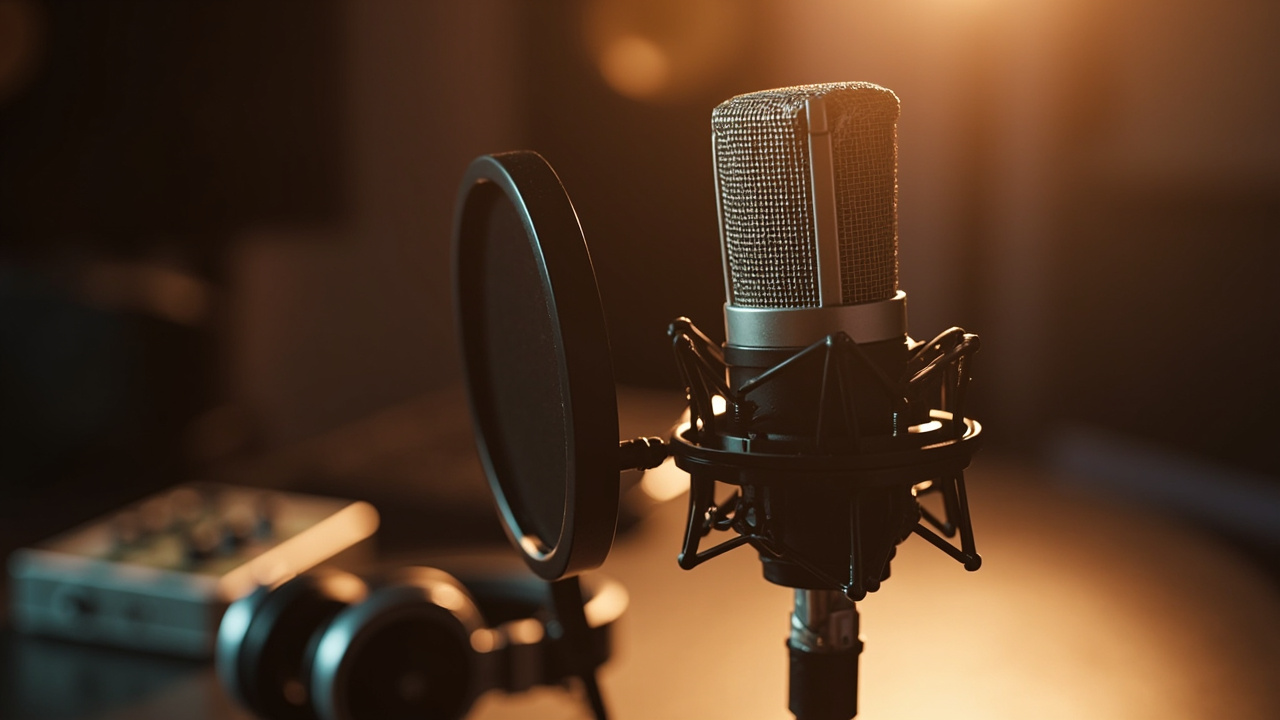
In TV control rooms as on stages swept by spotlights, the name that comes up when you need a mic that won't quit is the Micro Shure. It's trusted with high-pressure live broadcasts, dusty tours, studio sessions where every breath counts. Behind this reputation lies a combination of engineering choices, relentless testing, and a clear vision of sound useful to pros. Here's what changes when you live to the rhythm of sound checks, takes, and deadlines.
Why the Micro Shure has become a staple for professionals
Success isn't just about a logo. It rests on a stable sonic philosophy, on equipment that's simple to maintain, and on coherent ranges that cover the stage, the broadcast, and the studio. Shure has always designed its voice capsules for real-world use: close sources, high volumes, aggressive feedback, hands sometimes clumsy. The result is a tool that forgives mistakes, but remains precise when placed correctly.
A mastered signature for vocals
Engineers seek a predictable curve and microphones that tolerate equalization without going haywire. The frequency response typical of vocal models highlights intelligibility without unduly boosting the mids. This coherence is the result of decades of work on the Unidyne capsule and on the cardioid directivity designed for the stage. The fruit of this design is excellent feedback rejection and a voice that stays readable in a crowded mix.
Field reliability and true durability
A good mic must withstand drops, humidity, and rough grips. Pro models are tested against vibrations, corrosion, and temperature variations. These details show up little, but they save shows. In use, you keep a healthy body, a replaceable grille, and internal foams available. A brand becomes a standard when you can find parts, accessories, and technicians who know how to troubleshoot it anywhere.
SM58 : the indispensable live mic
No need for lengthy talk: the SM58 is obvious for vocal work in rooms, conferences, corporate karaoke that spills into a concert. It handles the proximity effect, tolerates desk taps, keeps the voice in front of the mix. The steel grille and capsule suspension limit handling noise. On shoots, it's also used as a backup, in tight ambience or for an improvised talk at the edge of a stage.
Simple settings for a legible show
- Input gain: raise to the useful threshold, then back off as peaks clip.
- Low cut around 80–100 Hz to contain footfalls and the breath of the subs.
- A slight dip around 300–400 Hz if the room booms, a bit of presence between 3–5 kHz for articulation.
- Mic-to-mouth distance: 5 to 10 cm, capsule oriented between the nose and the upper lip to avoid plosives.
- Monitors: position the returns in the diagram's null to exploit the cardioid directivity.
SM7B : the discreet workhorse for modern vocal
In radio studio and home studio, the SM7B delivers a full, controlled voice, easy to work with in the mix. Its shielding reduces interference from screens and interfaces. You get a velvety proximity for podcasts, a grain that holds up to compression in rap, and a radio presence for the voice-over without aggressive sibilants.
Typical chain and installation tips
- Preamplification: choose a high-gain preamp (60 dB and up) or insert a Cloudlifter/active booster to keep a clean headroom.
- Positioning: 10–15 cm, capsule very slightly biased to calm the “p” and “t”.
- Built-in filters: test the low cut and the presence bump depending on the voice, rather than EQ too early.
- Support: stable articulated arm, damped stand to avoid desk noises.
Beyond icons: lines for every mission
The Beta series pushes definition and allowable acoustic pressure. The Beta 58A preserves the spirit of the 58 with more top-end clarity and a supercardioid that isolates better on noisy stages. On the studio side, the KSM line offers musical condensers, with a KSM32 of valuable neutrality for voices and acoustic instruments.
For demanding recordings or XXL tours, home RF systems have proven themselves: solid frequency coordination, interchangeable capsules, roaming sobriety. High-end control rooms lean heavily on Axient Digital to lock down live broadcasts where RF incidents have no right to exist.
Quick comparison of uses
| Model | Type | Strength | Primary use | Gain requirement |
|---|---|---|---|---|
| SM58 | Dynamic | Robust, tolerant | Live singing, speeches | Moderate |
| Beta 58A | Dynamic | Increased definition | Noisy stage | Moderate |
| SM7B | Dynamic | Studio grain, shielding | Podcast, rap, radio | High |
| KSM32 | Condenser | Neutrality | Voice, acoustic | Low to moderate |
Shure vs. other market references
On stage, some prefer an e935 for brightness, others a Beta for focus. In the studio, a large-diaphragm condenser can offer more air on a soft voice, while the SM7B reassures on an energetic mouth. The key point: Shure offers predictable tools, easy to route and maintain. For TV sets, the compatibility of grilles, suspensions and capsules makes life easier for technical teams.
Choose the right tool for your practice
- Live singer: SM58 for versatility, Beta if the stage is dense and the returns strong.
- Podcaster/YouTuber: SM7B if your room is poorly treated. In USB/XLR hybrid, consider the Shure MV7 for quick setup.
- Voice-over and narration: SM7B for its warm proximity, KSM32 if you have an acoustically healthy space.
- Multi-instrument: KSM small and large-diaphragm mics in pair, dynamic for amps and percussion.
- Corporate and cult performances: tolerant cardioid dynamics, RF-secured with compatible capsules.
Audio chain and room: don't sabotage a good mic
A serious mic also reveals weaknesses in the rest of the chain. Clean interface, silent preamps, XLR cable in good condition: these details make the difference. On low-sensitivity dynamics, anticipate gain and monitor background noise. If you're unsure about the transducer type, this guide on the dynamic or condenser mic can guide you depending on your room and your timbre.
Sound engineer’s tip
When a piercing voice fatigues, cut 2–3 dB between 5 and 6 kHz rather than smoothing everything. On a SM58, a gentle shelf above 10 kHz opens the air without making sibilance bite. On set, place the in-ear or wedge returns in the diagram's dead zone to gain a few dB before feedback.
Field feedback: three concrete mic-cases
Summer festival, 35°C at the front. A very mobile singer, strong feedback. The Beta 58A + supercardioid combo holds the mix: little drum spill, stable timbre, higher gain-before-feedback. The next day, a more lyrical group: we switch back to the classic 58 for a less raw attack and a wider midrange. One stage, two useful colors.
Neighborhood studio, moderate isolation. Energetic rapper, tight diction. The SM7B brings the voice closer, absorbs transient plosives without destroying energy. We push the opto compressor a bit, the track sticks to the beat without sucking the life out. A booster upstream cleans the signal and prevents overdriving the interface preamp.
Magazine set, talk with six guests. Axient RF, cardioid dynamic capsules on each lectern. RF coordination keeps smartphones from overwhelming the room, the rigging engineer keeps headroom. On playback, little cleaning work: the timbre stays stable from sequence to sequence, brand coherence helps the edit.
Budget, value and longevity
A pro mic isn’t just a purchase: it’s an assurance of gigs honored. Shure models keep solid resale value, spare parts are easy to find, and accessory compatibility extends the life of the fleet. When you add up the fees saved, the successful recordings, and the avoided breakdowns, the initial outlay quickly becomes reasonable.
Maintenance and good practices
- Grille and foam: regular disassembly, gentle washing, complete drying before reassembly.
- Transport: rigid case for tours, humidity-absorbing bags in flight cases.
- Connectivity: XLR cable tested with a multimeter, clean contacts, cable clamp on stage.
- Storage: avoid car trunks in full sun, parts too damp or dusty.
What makes the difference, day to day
The mic doesn't replace good artistic direction, but it allows you to work more calmly. What Shure brings to the pro: a margin of sonic safety, coherence from one model to another, and after-sales service prepared for on-site constraints. When you earn a living from sound, you choose a tool that reduces risk and speeds up the setup.
Final word for choosing with peace of mind
If you're just starting, start with a versatile stage dynamic, learn its distance and behavior. If you host a podcast, go with the SM7B with clean gain. If your studio is treated, explore the KSMs. And if you work in USB/XLR hybrid, the MV7 simplifies everything while keeping the house vibe. The essential: calm placement, a clean chain, and an ear that decides — not the spec sheet.